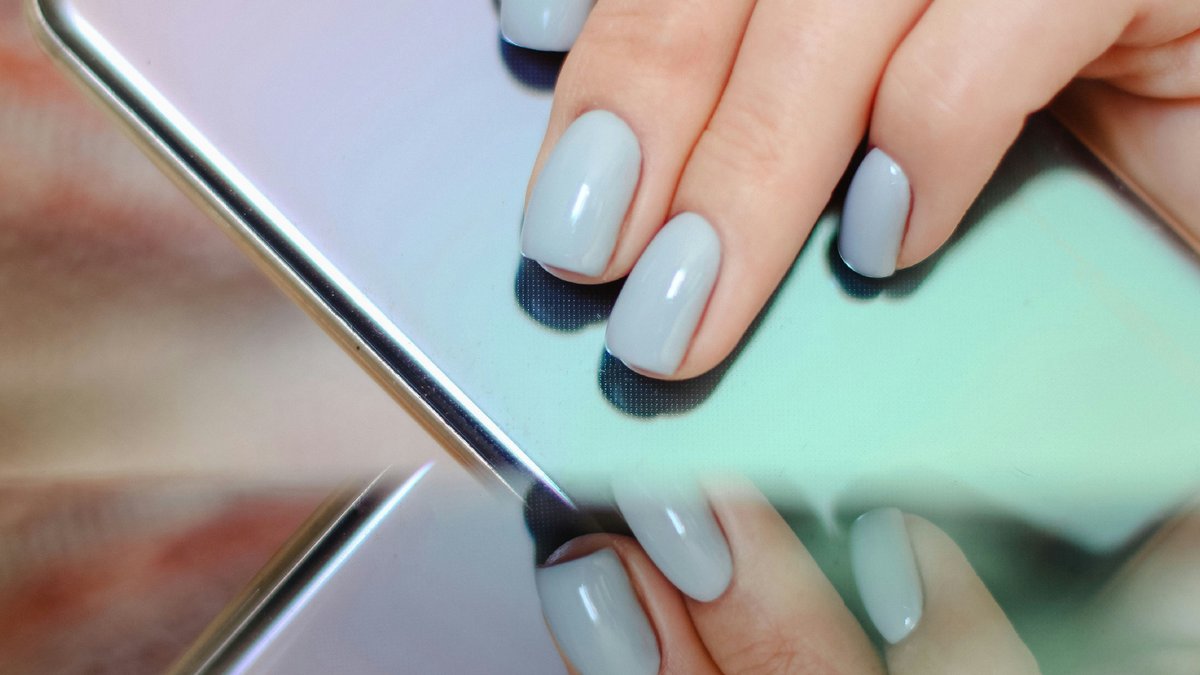
The UK’s ban on trimethylbenzoyl diphenylphosphine oxide, or TPO, in gel polish has raised concerns about the safety of gel manicures in the United States. As of August 15, UK brands and manufacturers can no longer sell new products containing TPO, the ingredient that cures gel polish under UV or LED light.
TPO is a photoinitiator, which means it’s the ingredient that starts the chemical reaction that turns a liquid gel polish into a hard, durable coating when it’s exposed to UV or LED light, according to Kelly Dobos, a cosmetic chemist. The EU and UK TPO ban traces back to a 2014 labeling decision under European chemical law, which flagged TPO as a reproductive toxicant based on extreme, high-dose lab exposure.
The ban is not necessarily a cause for concern, according to Caroline Rainsford, director of science at the UK’s Cosmetic, Toiletry and Perfumery Association. They note that the classification of TPO as a reproductive toxicant reflects caution, not evidence that gel manicures with TPO are unsafe. Jennifer Choe, MD, a board-certified OBGYN, notes that most likely, very little to none of the TPO gets absorbed into the body with a gel manicure.
Related: The Best Hair Extensions in Tampa: A Guide to Choosing the Right Type for You
Human data on TPO specifically is thin, but what does exist is concerning. Epidemiological surveys and occupational health reports indicate that nail technicians experience higher rates of miscarriages, birth defects, and reproductive health issues compared to the general public. However, this data comes from people with sustained, occupational exposure, not the occasional client.
Gel manicures can leave some people red, itchy, or irritated around the cuticles, but TPO probably isn’t the culprit, according to Julie Russak, MD, a board-certified dermatologist. The real culprit behind these skin reactions is usually acrylates, specifically HEMA, the resin that makes up the body of the gel.
TPO is unlikely to be behind these reactions for another reason, too: it’s consumed in the curing process. As a photoinitiator, it absorbs the lamp’s light and gets used up hardening the gel, so very little remains on a properly cured nail.
Related: Holloway’s Endearing Emblems: Symbols of Everlasting Love
Not anytime soon, it seems, will TPO be banned in the United States. There is an ongoing review by the Cosmetics Ingredient Review panel in the US, but it hasn’t concluded, and there are no indications that TPO will be banned in the US, according to Rainsford. The EU tends to follow a more precautionary framework, particularly for substances classified as carcinogenic, mutagenic, or toxic to reproduction, while the US focuses on risk, both the inherent hazard of a substance and the amount, route, and duration of consumer exposure.
Some US brands are already reformulating their gel polishes to be TPO-free, not because of a ban, but to simplify manufacturing and avoid negative headlines.
The only thing left to fear is a bad shade choice.


