Boots has unveiled a new marketing direction, shifting away from category-led marketing towards campaigns centered on customer missions and needs. The retailer’s Chief Marketing Officer, Charlotte Lock, explained that trust alone is no longer enough to cut through the noise in the UK beauty market.
The new campaign introduces a more cohesive brand identity, pairing a refreshed visual identity with a bolder, more confident tone of voice. This approach is reflected across healthcare and pharmacy, as well as beauty and wellness.
The campaign features 60- and 30-second films directed by Phoebe Arnstein, following people at different stages of life. Lock told us that the scenarios were shaped by customer research, reflecting relatable experiences often underrepresented in advertising while showcasing Boots’ services.
Lock also revealed that advent calendar waitlists have doubled year-on-year, with strong pre-sales across Scents, Luxury, and No7. The festive creative remains under wraps for now.
Leadership and Sport
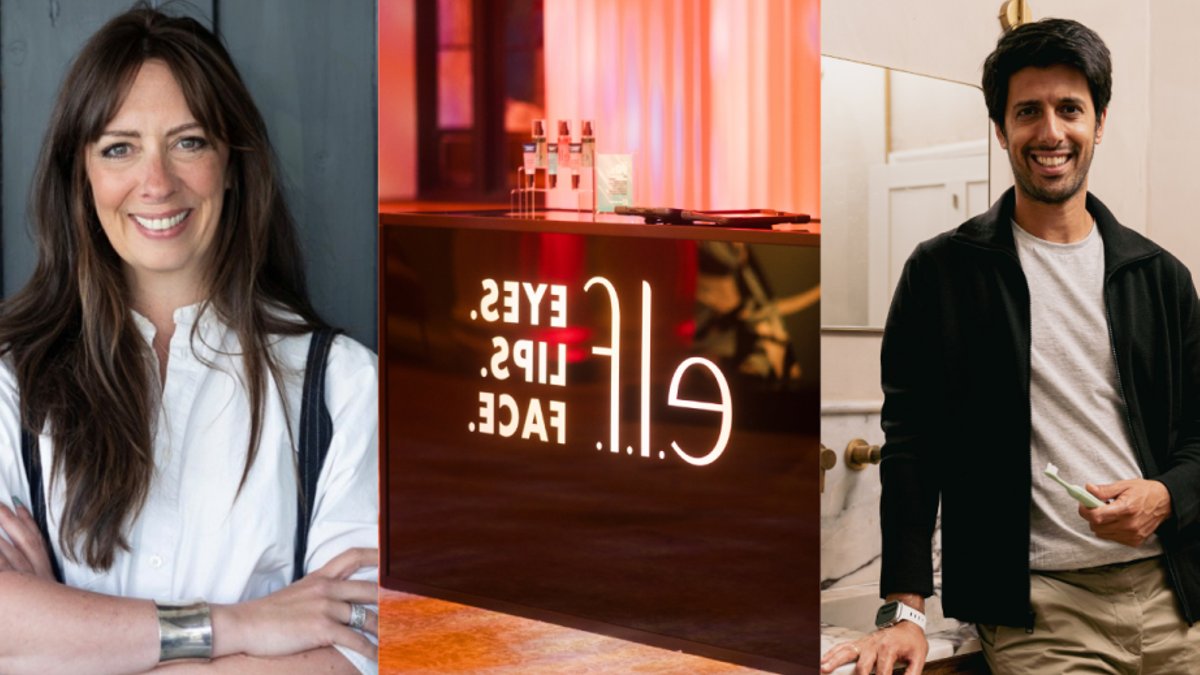
E.l.f. Beauty has found that girls who play sport are 50% more likely to become workplace leaders. The research, conducted by E.l.f. Beauty and women’s sports consultancy Parity, surveyed women who played sport for at least three years before finishing high or secondary school.
Among the women surveyed, sport was also linked to greater ambitions for senior leadership and a greater likelihood of negotiating salaries. Participation in sport is increasing among younger generations, with 70% of Gen Z women who started playing sport continuing through the end of high or secondary school.
The findings suggest that playing sport can help build confidence and increase ambitions for senior leadership. They also indicate that sport has a positive impact on women’s career prospects. Furthermore, the research highlights the importance of encouraging girls to participate in sports from a young age, as it can have a lasting impact on their future careers and leadership potential.
Autumn Beauty Trends
This autumn, beauty trends are expected to be dominated by suede skin, toasted neutrals, and scent layering. The emergence of ‘toasted naturals’ is shaping make-up, with shades like caramel and coffee creating a neutral eye look.
Haircare is also adopting a more targeted approach, with separate formulas addressing different areas of the scalp and lengths. Cult Beauty calls this “hair zoning”, where dryness, sensitivity, thinning, and oiliness are mapped before products are selected.
The trend towards hair zoning is driven by the growing awareness of the importance of scalp health and the need for personalized haircare solutions. As a result, brands are developing products that cater to specific hair types and needs, offering consumers a more effective and tailored approach to haircare.
Redefining Oral Care
SURI, a UK-based brand, is redefining oral care through performance, design, and sustainability. The brand combines high-performance technology with a more considered approach to materials, durability, and waste.
SURI co-founder Gyve Safavi explains how the brand is building its community, expanding into new categories, and redefining what consumers can expect from everyday oral care. By combining high-performance technology with thoughtful design and a more considered approach to sustainability, SURI is offering a more sustainable alternative without compromising on performance or convenience.
It is likely that the beauty industry will continue to evolve, with more brands prioritizing sustainability and efficacy. SURI is leading the way, and consumers can expect to see more innovative and sustainable oral care products in the future. The brand’s focus on sustainability is also reflected in its approach to packaging and production, with a emphasis on reducing waste and using eco-friendly materials.
The beauty industry is becoming more focused on sustainability. As consumers become increasingly aware of the environmental impact of their purchasing decisions, brands are responding by developing more sustainable products and practices. This shift towards sustainability is expected to continue, with more brands incorporating eco-friendly materials, reducing waste, and promoting environmentally responsible practices.


