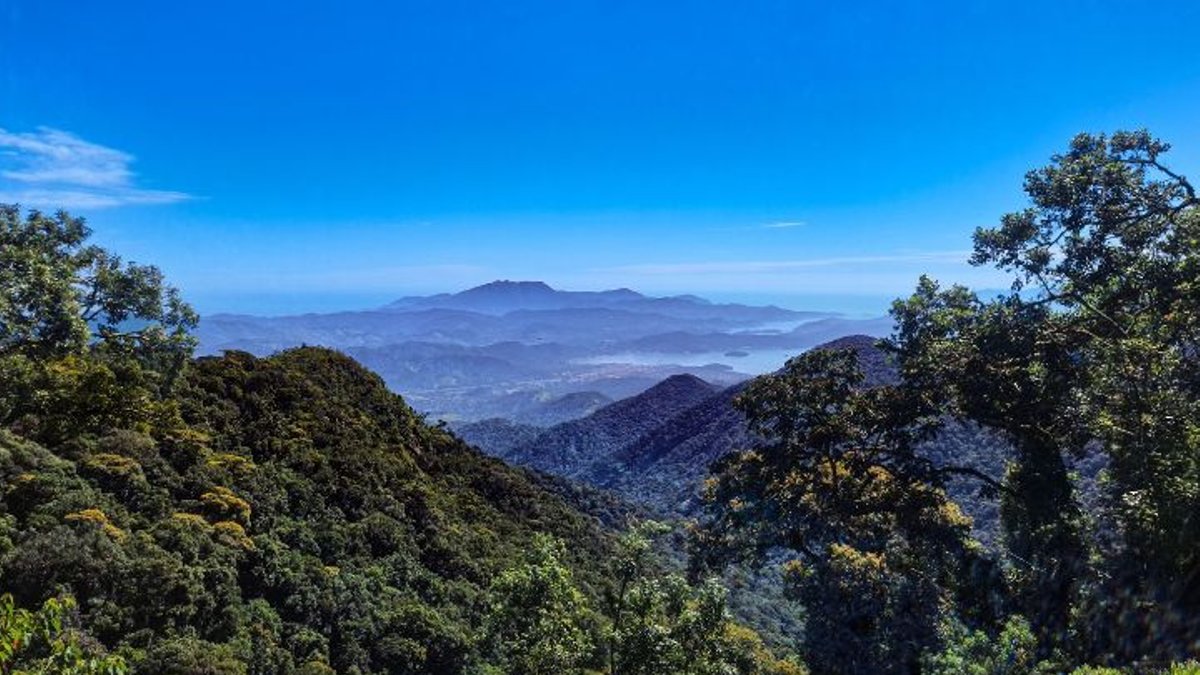
A new research facility in Brazil’s Atlantic Forest is advancing the search for rare natural ingredients used in fragrance and beauty products. The IFF Brazil Forest Lab, established by International Flavors & Fragrances (IFF), integrates biodiversity research, scent discovery, and perfumery innovation in a single location.
The facility is housed within Legado das Águas, Brazil’s largest private Atlantic Forest reserve, covering 31,000 hectares and containing nearly 1,000 plant species.
IFF collaborated with Reservas Votorantim (rV), the conservation division of Brazilian investment firm Votorantim SA, to combine scientific exploration with habitat protection. This partnership ensures that discovery efforts support long-term biodiversity preservation.
Since its launch, the team has identified 33 plant species with potential applications in fragrance and beauty. Through IFF Livings, a proprietary scent-capture method, they have replicated the aromas of eight native plants without physical harvesting. An additional 27 species have been documented solely through scent analysis.
The lab’s scope goes beyond species identification. Researchers will analyze every plant component, flowers, leaves, bark, roots, fruits, and seeds, to evaluate their olfactory and cosmetic potential. The facility also functions as a collaborative hub, allowing IFF customers to work directly with scientists on developing new formulations.
Charbel Bouez, SVP of research and development for IFF Scent, emphasized the lab’s role in bridging discovery and application. “Together with LMR, IFF spans the full spectrum of natural ingredients innovation, from biodiversity discovery and varietal selection to farming, extraction, analytical science, perfumery and beauty,” he stated. “The IFF Brazil Forest Lab brings these capabilities together in nature itself, creating a unique platform to discover and shape the naturals of tomorrow.”
The Atlantic Forest’s unique biodiversity drives this innovation, but the lab’s approach reflects a broader industry trend. Companies are increasingly turning to unexplored ecosystems for ingredient sourcing while minimizing ecological disruption. This balance between commercial potential and ecological responsibility could reshape how natural materials are discovered and utilized.
Beyond its immediate research goals, the facility aims to set new standards for sustainable ingredient development. The model may serve as a template for future collaborations between corporate research and environmental stewardship.


