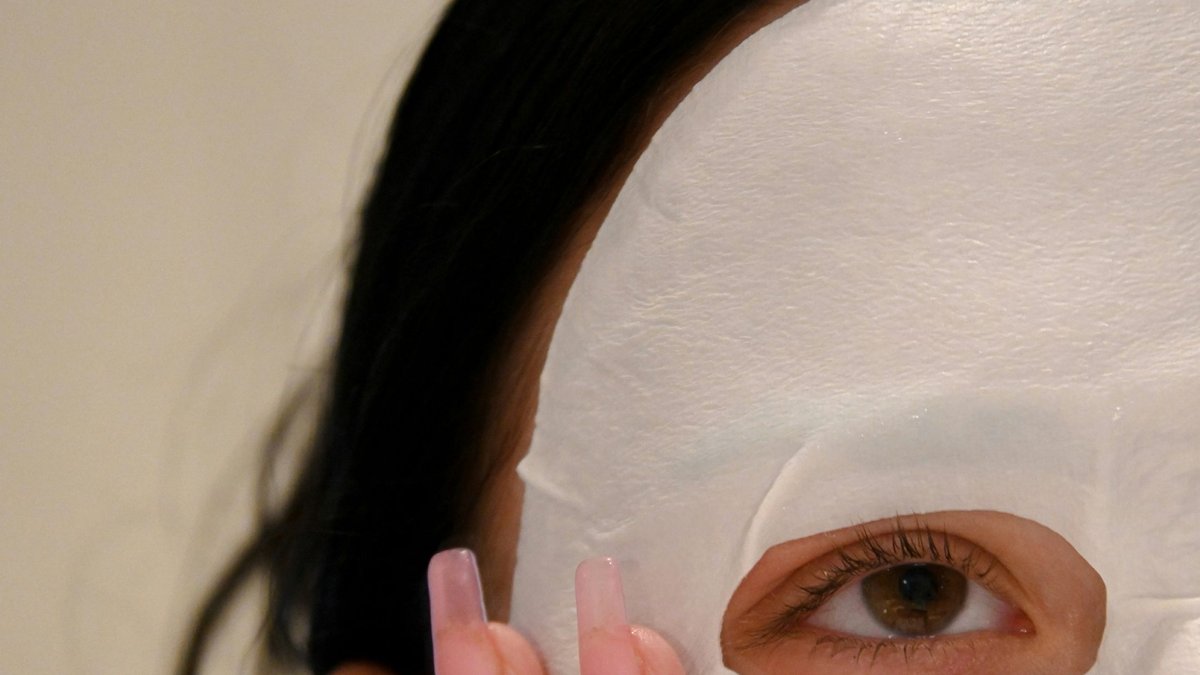
The 10-step K-beauty routine has long defined the category, but its rigid structure is fading. Experts say the focus is shifting toward flexibility, prevention, and borrowing skin-care principles for hair. Two industry leaders—Sarah Chung Park, known as the “Godmother of K-Beauty,” and Michelle Lee, former editor-in-chief of Allure—explain why the old rules no longer apply.
Skin Care Is Getting Simpler, Not More Complex
The 10-step routine taught layering, but not everyone needs that many products. Lee says the real takeaway was learning to adjust formulas based on skin type and daily needs. “It’s more about understanding what your skin needs in that moment,” she notes.
Chung Park simplifies it further: cleanse, hydrate, treat, and protect. Some steps may require multiple products—like double cleansing for makeup wearers—but the goal isn’t a fixed count. Her bigger warning? Overtreating skin while neglecting hydration. “People may be overtreating their skin and not hydrating it enough,” she says.
This shift reflects a broader trend in Korean beauty: moving away from prescriptive routines toward customizable approaches. ‘Slow aging’ starts with prevention, a term showing up in Korean beauty stores, including Olive Young. The idea is to maintain healthy skin for as long as possible, a philosophy that has long been part of Korean beauty.
In Korea, clinic visits often complement at-home care. Chung Park points out that topical treatments have limits. “There’s really only so much that you can do with topical skin care,” she says. That doesn’t mean skipping serums or masks, but expecting them to replace professional procedures is unrealistic.
New Formats, Old Ingredients
Some of the most exciting innovations aren’t about new ingredients but how familiar formulas are repackaged. Lee highlights cushion compacts, which combine foundation and sun protection in a portable, long-wearing format. They’re popular in Korea but still niche in the U.S.
Multipurpose balms and targeted treatments are gaining traction, too. Chung Park mentions overnight collagen masks as a standout, along with milky toners that blur the line between cleansing and hydrating. These products let users build routines around their preferences rather than strict step counts.
Related: How to Find the Best Makeup Artist in Tampa for Your Next Event
The appeal lies in convenience. A single balm can replace toner and essence, while a compact can handle makeup and SPF. These formats align with the “less is more” mindset, though Chung Park cautions against skipping essentials like sunscreen.
One trend standing out: hair care borrowing from skin routines. Lee, who struggles with dryness, is drawn to Korean hair products formatted like skin-care ampules or milky toners. “We see things like ampules and essences and milky toners for hair,” she says. For Lee, whose hair has become drier as she’s gotten older, the appeal is personal.
TikTok and the Allure of Korea Itself
Social media, particularly TikTok, has accelerated K-beauty’s evolution. Chung Park credits the platform for giving brands direct access to consumers, bypassing traditional retail barriers. Lee sees its influence in product design: visible before-and-after results or interactive packaging, like cleansing balms with built-in grinders, help products stand out.
TikTok isn’t just changing shopping habits; it’s sparking travel. Videos of people visiting Korean skin clinics or shopping in Seoul make the experience feel attainable. A decade ago, the excitement was about importing products. Now, the draw is experiencing them firsthand.
This shift mirrors how other industries, from food to fashion, have seen consumers prioritize authenticity over convenience. The 10-step routine was a gateway, but the next phase is deeper immersion.
For Chung Park, the core of K-beauty remains unchanged: a focus on prevention, texture innovation, and adapting routines to individual needs. The steps may no longer be 10, but the principles stay the same.


